|
THE ARTS
Some Artists
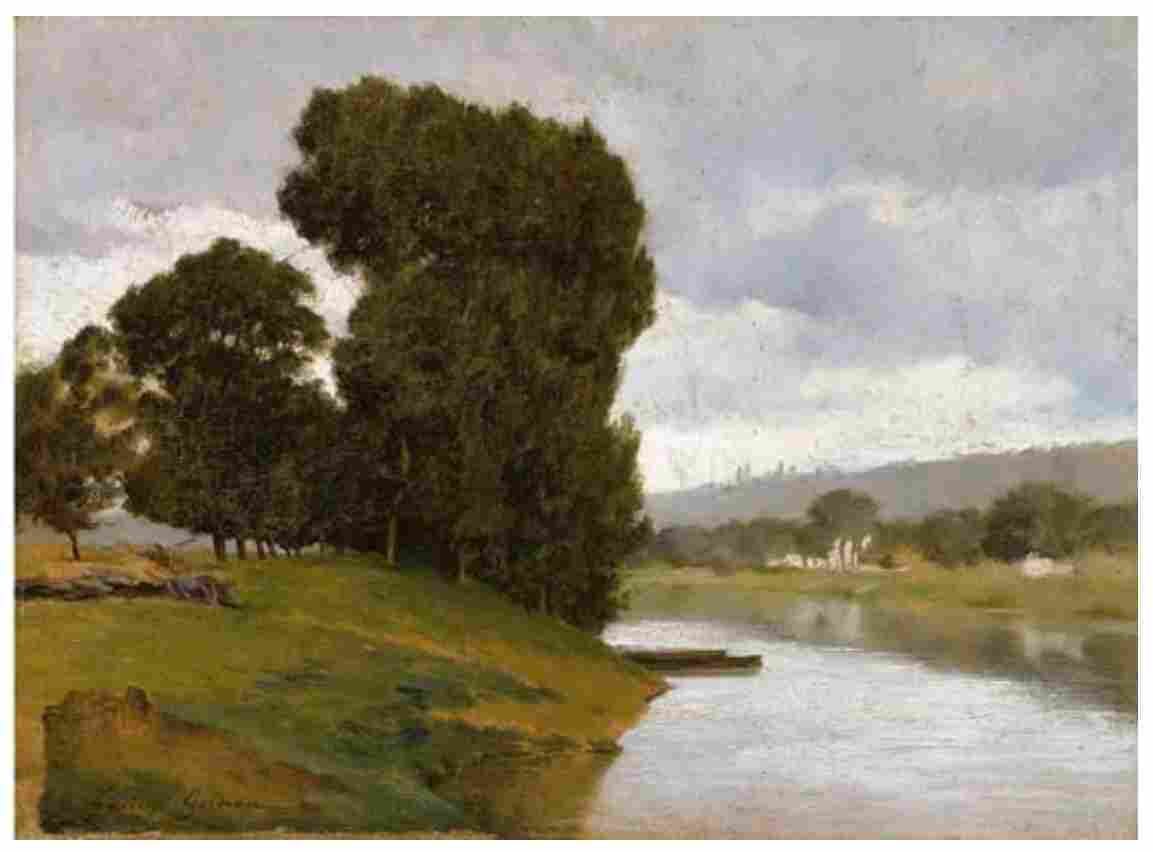
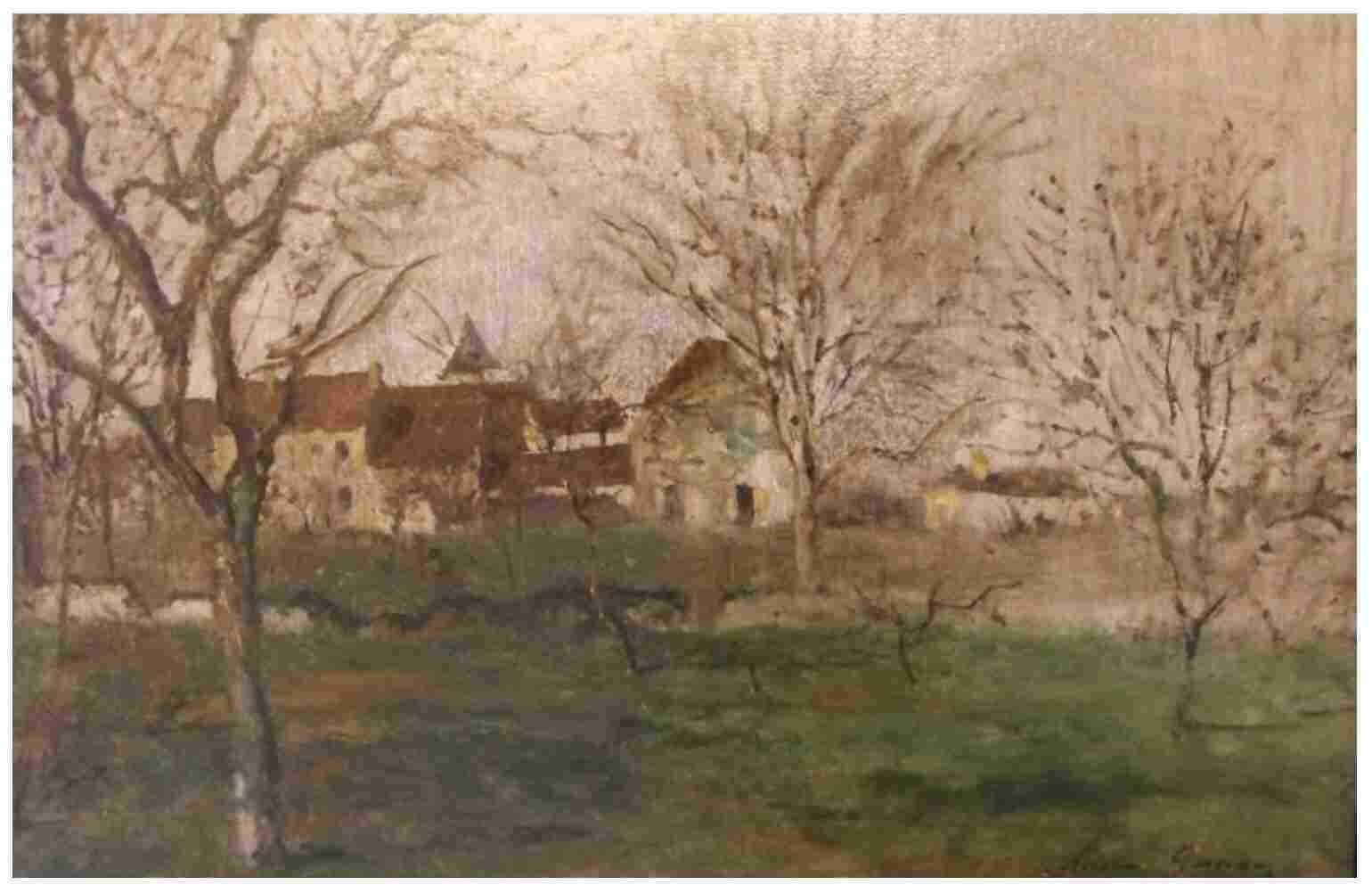
The Reitlinger Gallery is currently exhibiting a series of paintings by the late Lucien Griveau, which are to be sold at the Auction House at the end of this month. They attest to the soul of a landscape painter of the highest caliber. Lucien Griveau, who professed a particular taste for Corot and Chardin, left behind a sensitive and under-recognized body of work.
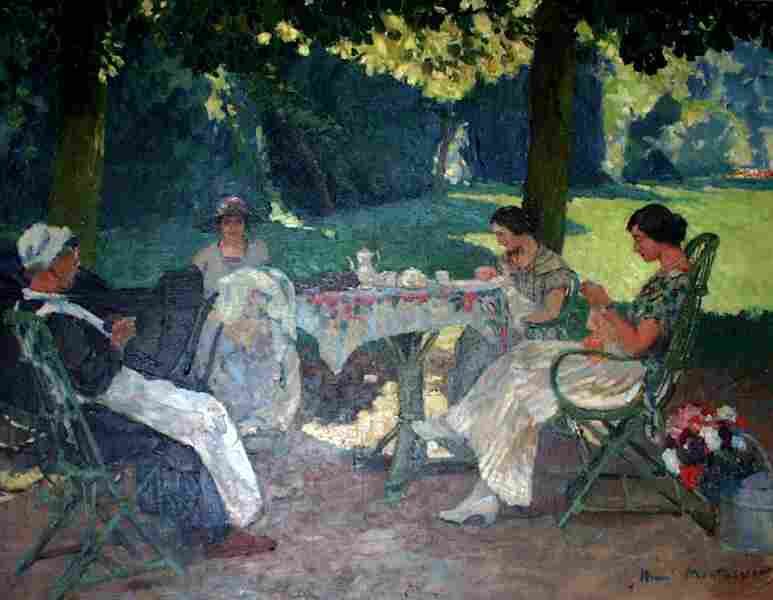
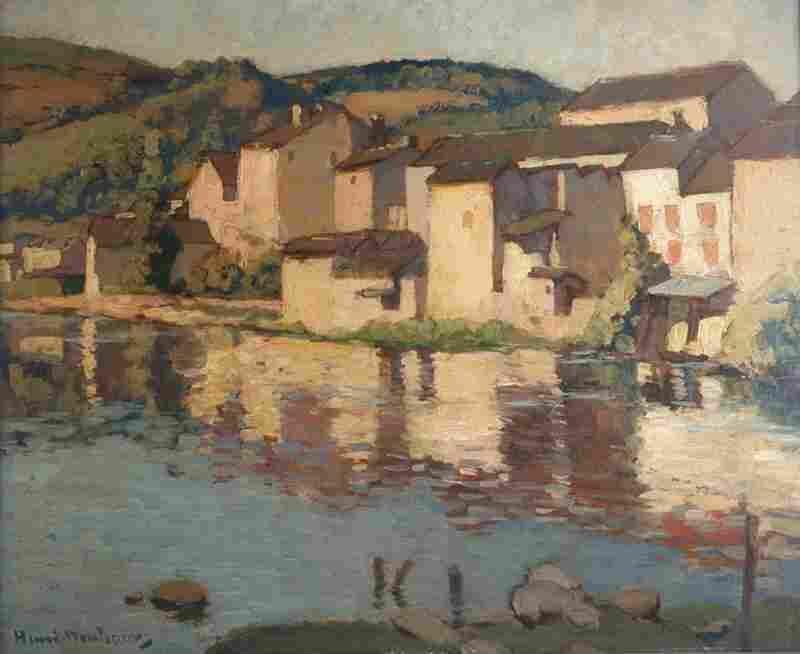
Henri Montassier (Sict-Decauville Gallery) is a talented colorist. His talents as a painter, enhanced by his skillful craft, richly deserve our esteem. Henri Montassier composes skillfully, and his portraits, as much as his landscapes, are delightfully harmonious.
Miss Marie-Louise Lefèvre (same gallery) exhibits views of Antibes and Senlis, not lacking in grace. Miss Lefèvre paints broadly. Her still lifes (too rare in this exhibition) are particularly noteworthy for their curves and luminosity. Marcel Labaurie is also exhibiting at the same gallery, taking us with him to Morocco. The drawing is harsh, broad, and very strong, and the color, whether in the paintings, gouaches, or pastels, renders a clear evocation of the lands of Africa.
There will be a Jean-Jacques Henner Museum. It is a gift to the State from the Alsatian painter's niece, Mrs. Vve Jules Henner. This museum (Avenue de Villiers) will contain more than three hundred paintings by the master and approximately twelve hundred drawings.
This bequest also includes the funds necessary for the museum's maintenance.
Beware of the angles. This is a group, almost a school, that published a manifesto, that of the Angulo-Curvists. It speaks of "the shape of the surface to be painted and the orchestration of the painting." "Paintings," the manifesto assures, "remain immutably limited to these four forms: the square, the circumference, the rectangle, and the oval." However, it is explained later that "the angular form conveys a sense of brutality" and that "the curved form, on the contrary, symbolizes grace."
The painter J.-M. Paul sent us this profession of faith on a prospectus cut at nine angles.
Devil! That's enough to warn us...
The Descamps-Scrive sale. --The first auction of the Descamps-Scrive sale took place yesterday. The bids reached very high prices and records were broken. The Monument du Costume, with etchings by Moreau and Freudeberg, was sold for 432,000 francs. The first edition of Choderlos de Laclos's "Dangerous Liaisons" (1796) fetched 24,500 francs.
The total for this first auction was 1,678,310 francs.
The Thumb Box
- Jules Couez Exhibition (Carmine Gallery, 51 Rue de Seine), until March 31.
- Solange Christaufour, until March 27 (Bureau d'art, 23 Rue Matignon).
- From the Baignères group, Clairin, Desvallières, Despiai, Dethomas, Dufrenoy, Flandrin, Guérin, Marque, Marval, de Waroquier, and Th. Robert (Druét Gallery), until April 3.
- Germaine Labaye, until March 31 (L'Etoile Gallery, 17 Avenue Friedland).
- Etchings by A. Fléau (Guiot Gallery, 4 Rue Volney), until April 4.
- By Yvan Thièle (Marsan Gallery, 6 Rue des Pyramides), until April 4. -The poster announcing the AAAA ball was designed by Utrillo.
-The committee of the Society of Decorative Artists has just renewed its board for 1925. The following were appointed: President: Mr. Maurice Bokanowski; Vice-Presidents: Mr. Maurice Dufrène, Charles Hairon, and Henri Rapin; Treasurer: Mr. René Kieffer; Secretaries: Mr. Raymond Subes and Mr. Raoul Lachenal.
The Music Box
-This afternoon, March 22, you can hear Albert Roussel's Evocations at Lamoureux; Honegger's Pastorale d'été at Colonne; Roussel's Pour une fête de printemps; and, for the first time, a Prélude by P. Kunc, the Toulouse conductor. At Pasdeloup, under the direction of Ernest Ansermet, a Brandenburg Concerto by Bach, a rarely performed Symphony by Mozart, and The Rite of Spring by Strawinsky.
--Strawinsky corrects the proofs of his Piano Sonata. The score of Mavra, the comic opera that aroused so many conflicting opinions in 1922, has just been published by the same author.
--In the March 20th issue of Le Ménestrel, an article on Musicality in Rhythmics by Jacques-Dalcroze, in which Mr. Charles Koechlin demonstrates the starting point and the primarily musical goal of this method.
PARALLELS.

|