

| L'Œuvre 20 mars 1924 |
|
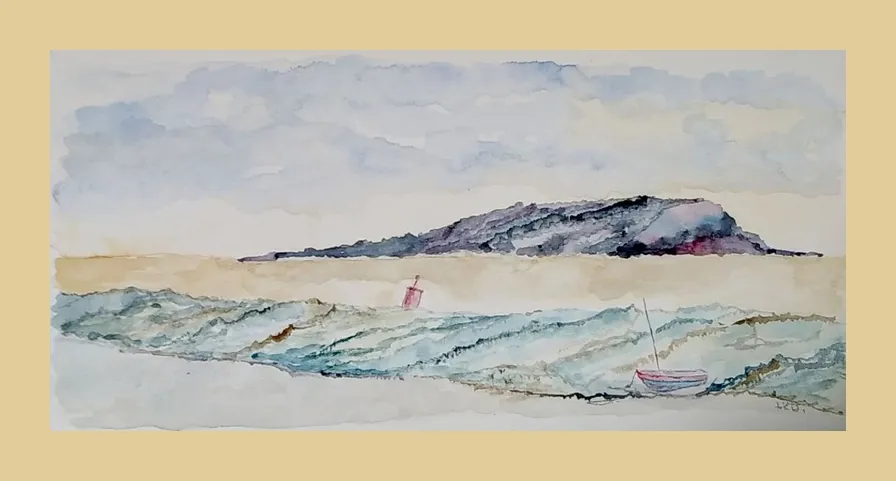
Appetizers From top to bottom I also know an old poet who is poor, but obscure, without any talent, but without any dignity, and who is none the happier for that. He writes songs, poems in verse and poems in prose (this is a genre that has been created since M. Jourdain and which honors prose writers as much as poets). He writes lyrical verses and humanitarian verses. And he organizes evenings that are not quite confidential in discreet cafes that are not quite bistros. The hearing is not entirely free, and the poet not entirely disinterested, because he passes between the tables offering consumers, for modest sums, specimens of the works he has just recited. But the cafés which welcome the poet are becoming more and more rare, the café owners claiming with some semblance of reason that poetry puts consumers to flight and disturbs the serene speculations of backgammon players. I also know an old lady who lives in the same neighborhood on the outskirts and who imagines that she makes art because she makes childish daubs on canvas. She presents herself at teas, from five to seven, with a humility which is not exempt from a certain nerve, and she tries to sell her little paintings with such obstinacy that people sometimes give her charity; after which she leaves, convinced that she has given a gift. On these days, she eats. The old poet and the old artist, unconscious beggars, are not responsible for their decline. When the old poet goes to beg in verse in a café, he is preceded by a poster which shows the most beautiful pages of his “Golden Book”. These are laudatory letters once written by famous writers to the future beginner, they are encouragement given by brilliant academicians to the obscure beginner who later grew old in his obscurity: "I received your book with a beautiful lyrical flight..." "You are from the race of true poets..." "In your moving work, there is all the freshness and charm of youth, in at the same time as the mastery of a mature and self-confident talent. » As for the old lady, she presents her little painting to enlightened amateurs with one hand... In the other hand she holds open an album where newspaper clippings are neatly pasted, framed by flowers, these are the opinions of critics influential on a painting that the old lady once exhibited, in a society gallery, when she was a young girl. And dithyrambs blossom among carnations and roses. The failures are poor guys who had their heads stuffed by people who arrived when they were young. Flattery is excusable when it rises from bottom to top, because its aim is to make the cheese that Master Raven holds in his beak fall. Flattery is inconceivable and criminal when it goes from top to bottom. What reason can push a master of art or literature to distribute lying compliments and dangerous encouragement to poor fellows? Why does the academician so rarely have the courage to say to the beginner: “Leave it there... Instead, ell cloth, sweep the yard or sell spices”? Probably because fears the reaction of self-esteem in the student. He is afraid that the beginner, faced with the expression of a sincere impression, will go away repeating: “What an old canary! What an old brute! What an old thing! » So he dispenses ointment and holy water to win the indulgence of youth and gain the reputation of a benevolent, that is to say, clairvoyant master. This is a lack of professional conscience. To flatter children is to betray them. The old poet and the old lady artist should take the authors responsible for their mischief to court and order alimony from the authors (or their heirs) of autographs which constitute real breaches of trust. This jurisprudence being established, we would perhaps experience in the world of letters a sincerity which is becoming increasingly rare among the powerful and the humble alike. And then in cafes, as in tea houses, tea drinkers and backgammon players would find the tranquility necessary for serious pursuits. G. DE LA FOUCHARDIÈRE. |
 |